

Types of Deadlocks for Doors
Hook bolt deadlocks can be installed on narrow stile aluminum storefront sliding doors to enhance lock strength and security. They have keys on both sides, allowing for greater flexibility.
To accurately measure the new lock, first determine the door's case thickness (or backset). This is the distance between the edge of the front door and the center of latch hole.
Tubular Latch
The tubular latch is the most popular kind of door latch. It's simple to install and is popular with DIY enthusiasts as well as Joiners. It's also available in a large variety of sizes, shapes and levels to match any door handle style.
A tubular latch is a rectangular steel casing with an latch bolt and a latch follower with springs (also called a striker). When you open the doors the latch retracts to allow you to lock and shut the door. When you close the doors the latch bolt springs back and grasps the edge of the frame to secure the door shut.
You'll need to determine the maximum height of the door's latch before you put it in place. Many people believe that a lock and handle should be placed at a height of one centimeter above the floor. However, this isn't necessarily the case. When door knobs are involved the latch should be located in the middle of the rail - this is where the majority of the weight is placed when you open and close the door.
Once you've determined where the latch should be, mark the position of the hole on the door and on the strike plate with a pencil. Drill pilot holes to secure the plate. After you've drilled the pilot holes, you can use a countersink to ensure the plate's back will be flush with the door after it's been screwed into place.
Consider a double-sprung lock if you need a stronger alternative to the standard tubular lock. It has an additional spring that is used for tongue, which results in a smoother closing when you open and close the door. It also comes with a heavy-action, spring-loaded spindle follower that ensures that levers and doorknobs are returned to their horizontal position after every use.
Once you've fitted the latch to the door, you'll need to attach a strike plate to the frame. The strike plate is a part that is inserted into the gap left behind by the latch after it's closed. You should mark the area where you'd like to put the strike plate on the frame surrounding it. Cut with your knife a square for the plate and then take it off.
Cylindrical Latch
Interior doors are often fitted with cylindrical locks. They are used in offices and homes, and can be found in many different applications. They are like mortise locks however they are simpler and quicker to install. They do not require a "mortise" or pocket be cut into the door's frame like mortise locks do. The bore or hole is cut into the surface of the door, and they are installed into that. They come in a variety of grades and are compatible with both knobs and levers to shut and open the door.
The primary difference between mortise and cylinder locks is that only a specific key can unlock these types of locks. The pins are fixed by springs and pins with different sizes. When the correct key is inserted, the pins will align, which allows the cylinder to rotate. This allows the latch bolt to retract and the door can be opened.
When the wrong key has been used, the pins aren't aligned correctly, which stops the cylinder from moving. It is crucial to use the correct key to gain access to your home or office.
The cylinder is situated inside the door's body and is connected to the operating trim by an oval or half-round extension. There are also small notch-like notches cut out of the cylinder's side that correspond to key notches. They are designed to align when the appropriate key is placed in. When the cylinder is moved and the latch bolt is inserted, it will follow suit.
A strike plate is a metal plate that is used to catch the projected lock latch bolt. The strike plate is generally constructed from heavy-gauge steel and attached to the door frame with screws. It also has an opening for the latch bolt to engage into.
When replacing a cylindrical lock, ensure you make use of the appropriate tools to remove the old lock's handle, knob and latch bolt. Mark the position of the new strike bolt and latch bolt on the door and frame after taking off the old hardware. It's a great idea to test the operation of your lock by pressing against the strike plate or latch bolt by using your finger. If the strike plate or latch bolt is damaged or does not operate correctly, you should look into replacing the bolts and strike plates.
Key-Locked Latch
This type of lock is controlled by a key from the outside, and a knob/lever on the inside. It is used in situations where unauthorized use of the lock is not an issue, such as office doors. This type locks allows the outside lever to be locked or unlocked, while the inside knob/lever is free for immediate exit. The key is required only to retract the latchbolt when the door is closed.
The pins of a key-lock are aligned and pointed along a line called the shearline. These pins are aligned with the shearline when the correct key is inserted into the lock. The plug is then turned to open the latchbolt. If you've had a key that fits perfectly into a lock but still isn't able to open it could be because one of the pins isn't aligned with the shear line.
Some locks also feature a face plate, which is fixed to the door's edge. It can be decorative and give protection and security to the locking mechanism. It is common to see these plates on mortice locks as well as rim locks that have reversed spring bolts.
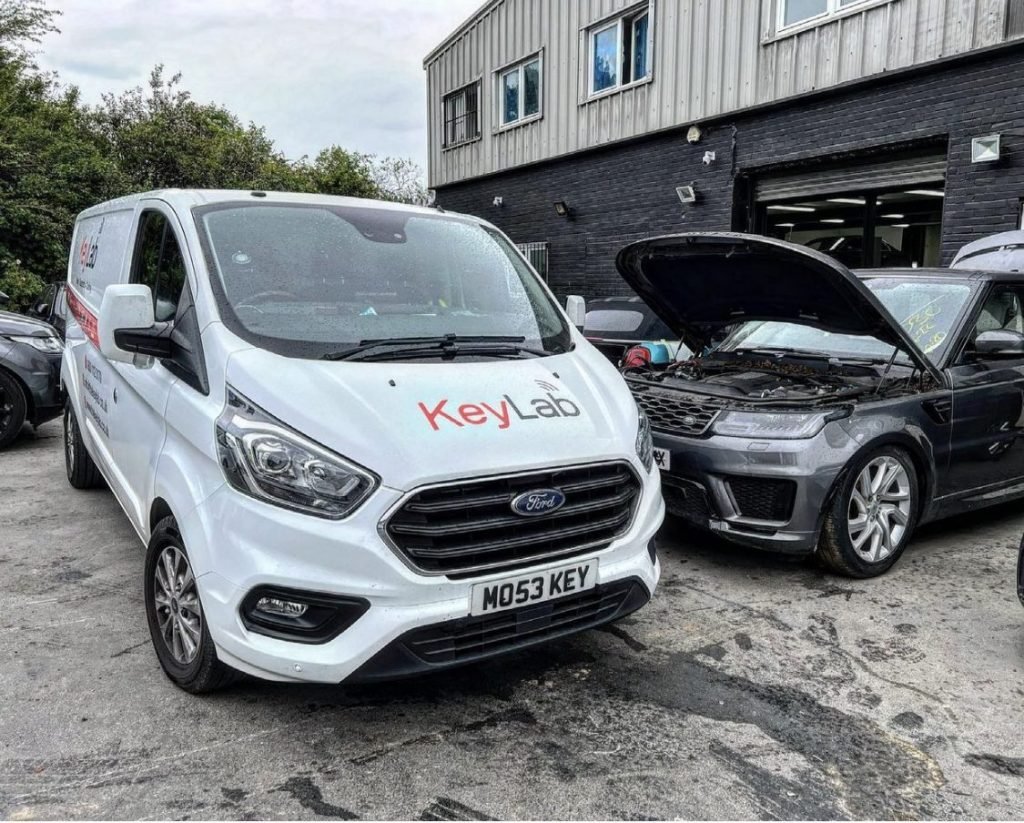
hook lock for van is also available. It is usually attached to the door frame and the jamb. It also has a hole through which the bolt is moved from the cylinder and into the lock. This is often utilized together with deadbolts to provide added security.
Finally, there is the cylinder, which is a series of pins that are aligned with the key's point to keep it from turning. It can be difficult to choose a cylinder of good quality without the proper tools and understanding. To lock the door, the key must be turned in the same direction that the door is opened. For example, if the door opens right-handedly the key needs to be turned clockwise to lock it. To unlock you can turn the key counterclockwise. This differs from other locks, like Chubb locks, which require you to turn your key in the opposite way of how the door opens.
Keyless Latch
With a keyless latch you can lock and unlock your doors without the use of a traditional key. These locks are operated using apps for smartphones or an access code, and some models even have a hidden camera to provide added security. When selecting a keyless lock take into consideration your security requirements and compatibility with your doors and hardware. Read the instructions of the manufacturer and specifications prior to installing. Certain keyless locks could require special door modifications or preparations.
Many companies are working on smart locks that replace traditional locks with keys, and adds security features. They can be locked with a code, fingerprint, or facial recognition, and are typically more durable than traditional locks. Some smart locks feature security features that prevent tampering and can detect if a door was opened with a key that is not authorized or force.
One company, named Latch has come up with an attractive high-tech lock that operates similar to other smart locks. Its primary target market is realty companies that manage apartments. The tenants can open the lock using a passcode, key or mobile device. They can also allow in dog walkers, cleaners or guests who are not from town with temporary codes. The company claims that this will eliminate the necessity for tenants to lose their keys, and reduces maintenance costs because there is no need to replace locks after a tenant moves out.
While the Latch lock isn't yet available to the public yet, it could eventually find a place in condos and large apartments. It's already being tested in a few places, and the company plans to roll out more units this year. The cost is similar to a regular lock. The company also offers low costs for software and competitive pricing.
The Latch App can be used to set up which doors are displayed as shortcuts, and you can alter this at anytime. To do so, open the app and select the menu located in the upper left-hand corner of the screen. Select 'Widgets', and select the doors that you want to appear as shortcuts. Once your doors have been configured you can see access history within the Latch App.